
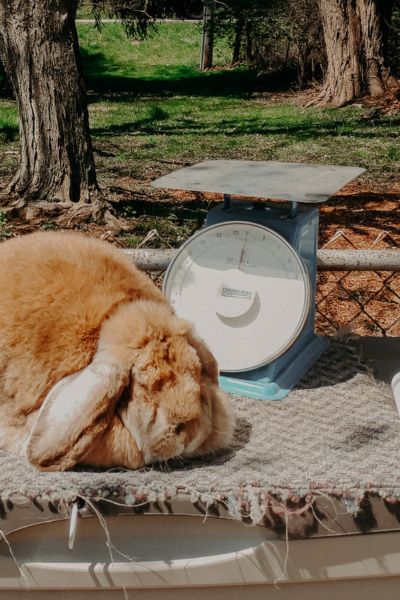
Yes, you can make money raising rabbits. But I want to be upfront with you because its easy to think that rabbits are cute so how hard could it be to run a rabbitry business? It is just like any other business. They are not easy and have their ups and downs.
Making money with a rabbitry is possible, but it is not fast, and it is not passive. It takes strategy, patience, and a willingness to operate like a business instead of a hobby. I have been raising French Lop rabbits for 16 years and what I can tell you is that the breeders who actually build profitable rabbitries are not the ones with the most animals.
They are the ones who made the right decisions early and stayed consistent with things like their marketing long enough for those decisions to pay off.
If you want the full framework for building a rabbitry that pays you back, the Profitable Rabbitry Playbook covers every piece of this in detail. But for now, here are the strategies that will make or break your results.
Choose A Rabbit Breed With Real Profit Potential
This is the decision that affects everything else, and most people get it wrong by defaulting to whatever is cheapest or most “the cutest” near them. A rabbit that sells for $50 eats the same amount of feed as a rabbit that sells for $200 or $300. That single fact should drive your breed decision more than anything else.
Take French Lops as an example. I fell into the breed and genuinely loved them, but I soon found out that they are a profitable animal when you do the work.
Quality French Lops in the show world range from $150 to $350, and I have not heard of a well-bred French Lop going for less than $200 in a long time. Mine range from $175 to $250. I price them slightly on the lower end of the market because I do not want to show heavily, and showing results is how you justify the highest price points in the show rabbit world.
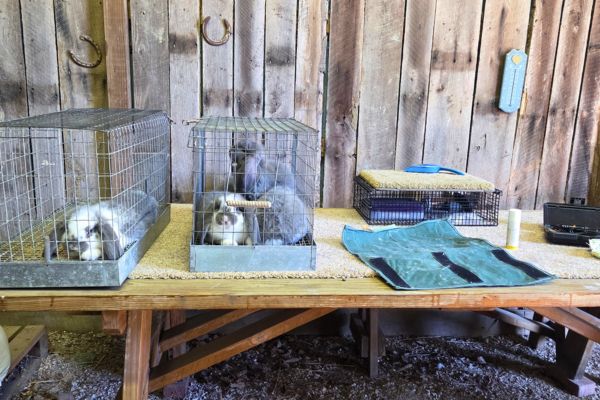
The nice thing about showing is you can go as often or as little as you want. I use shows to confirm my breeding decisions and make sure I am on track with the breed standard, not to rack up wins every weekend. It works for my life and it still supports the pricing I need.
Now compare that to a breed selling for $40 to $60 a head. You would need to sell four or five times as many rabbits to generate the same revenue. That means more cages, more feed, more labor, and more animals to find homes for. The math does not work in your favor.
Before you commit to a breed, research realistic sale prices in your area and in the community around that breed. Know what quality animals are actually selling for, not just what the cheapest listings show. The Profitable Rabbitry Playbook walks through exactly how to do that research and how to calculate whether a breed can actually meet your income goals.
Start Marketing Before You Have Anything To Sell
This is the one that most new breeders ignore and then wonder why their first litter sits unsold. Building an audience that trusts you enough to buy from you takes time. Not weeks. Months, sometimes longer. If you wait until you have rabbits ready to go before you start showing up online, you are already behind.
You are selling a product that has a shelf life. You don’t have time to waste.
Start on a platform you actually use and understand. The best platform is the one you will stay consistent on because you already know how it works and what gets attention there. I know this can feel scary but simply pay attention to what gets you to stop and read or watch. What seems to have a good amount of engagement. Start by making that style fit your rabbitry business if that fits your personality.
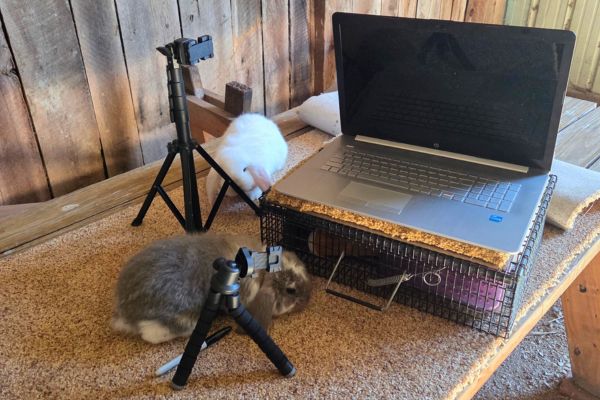
If I had to point someone toward a starting point, it would be Facebook or TikTok depending on where you spend your time. Choose one, learn it, and show up regularly.
And I mean regularly. Not once or twice a month. I see rabbit raisers post every few months and then wonder why nobody is knocking down their door. That is not a marketing strategy. You have to be visible enough that when someone decides they want a rabbit, your name is already in their head.
This is not about becoming an influencer. It is about being known in the right circles before you need to be. Customers who buy without negotiation from the breeder they have been watching and learning from. Start building that trust now.
Scale Your Herd With Your Market Demand
One of the fastest ways to go under in your rabbitry is buying too many animals before you have the buyers to support them. Every breeding animal you add is a daily feed cost whether they produce or not, and production animals create more rabbits that also need to be fed until they sell.
Start with a breeding pair or a trio, which is one buck and two does. Work with that for your first year. Focus on learning your animals, dialing in your routine, and growing your audience at the same time. As sales start to happen consistently and your waitlist builds, then you add does. Let demand tell you when to scale, not excitement or fear of missing out.
The same logic applies to adding breeds. If you can genuinely market multiple breeds and create content around all of them, it can work. But for most people, adding a second breed just splits their focus, splits their marketing, and splits their reputation. Building deep authority around one breed is almost always more profitable than being mediocre at two.
Know Your Numbers
Most rabbitry owners have no real idea whether they are making or losing money. They feel like things are going okay, and then one slow season or one unexpected expense reminds them they were never actually tracking it.
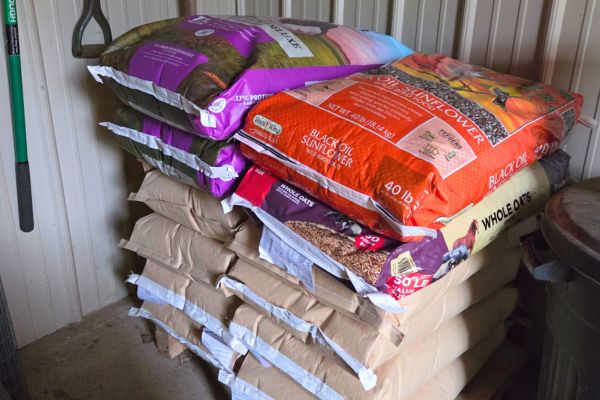
Here is a simple way to get your baseline feed cost, which is your biggest ongoing expense.
- Weigh how much feed you give one rabbit in a day.
- Multiply that by the number of rabbits you currently have.
- Multiply that daily total by 30 to get your monthly feed consumption.
Then figure out how many bags of feed that equals and what it costs you. That is your minimum monthly operating number before you have sold a single rabbit.
For context, right now I run around 10-12 rabbits with 3-5 litters growing out at a time and my feed runs about $111 a month. When there are no litters, it drops slightly. That number is my floor. Every sale decision I make has to clear that number first before it becomes actual profit.
Once you know your expenses, you can calculate exactly how many rabbits you need to sell each year just to break even. Everything above that is profit. Most people who do this math for the first time are surprised by how achievable it actually is when they are selling quality animals at the right price point. BUT it wont happen if you are not getting out their infront of customers.
How Much Money Can You Actually Make Raising Rabbits?
The honest answer is that it depends. I know that is not the exciting answer people want, but there is no single income number that applies to every person. The amount you can make depends largely on the type of rabbits you raise and your ability to consistently find buyers for them.
Choose A Breed That Supports Your Goals
As I mentioned earlier, a rabbit that sells for $50 eats roughly the same amount of feed as a rabbit that sells for $200 or $300. That is why breed selection matters so much. You want to choose an animal that can realistically command the price point you need.
But you also need to understand why that rabbit sells for more money. Sometimes it is because the breeder is heavily involved in showing and has built a reputation for producing high-quality animals. Other times it is because they have built a strong reputation with pet buyers who are willing to pay more for a specific type of rabbit. Either way, the higher price point is usually tied to quality, reputation, marketing, or a combination of all three.
That is why understanding your customer matters. Before you ever buy your first breeding rabbits, you need to know who you plan to sell to and what those buyers are actually willing to pay for.
For a simple example, let’s say you start with a trio consisting of one buck and two does. If each doe produces two litters per year and averages six kits per litter, that gives you 24 rabbits to sell annually.
If those rabbits sell for $50 each, that is $1,200 in gross revenue before expenses.
If those same 24 rabbits sell for $200 each, that is $4,800 in gross revenue before expenses.
The amount of work is the same. The feed bill is the same. The difference is the value of the animal and the demand for what you are producing.
Of course, the math only works if you actually sell the rabbits. That is where marketing comes in. You still need buyers, a good reputation, and enough visibility that people know your rabbits are available when the time comes.
That is why I spend so much time talking about breed selection and marketing. Those two decisions have a bigger impact on your long-term profitability than almost anything else you will do in your rabbitry.
The Other Half Of The Equation Is Marketing
The second piece of this equation is marketing, and honestly, this is where most people struggle.
I have already talked about it earlier in this post, but it is worth repeating because you can choose the perfect breed and still fail if nobody knows you exist.
At a minimum, I believe you need to be posting consistently enough to stay visible to your audience.
For most rabbit breeders, that means posting at least three times a week just to maintain an existing audience. If you are building a page from scratch, I would aim for closer to five times a week for the first six months.
The goal is not to become an influencer. The goal is to become known.
One of the biggest mistakes I see is people buying breeding stock, producing litters, and then trying to find buyers after the rabbits are ready to leave or very close to it. By that point, you are behind. Building trust takes time, and people are much more likely to buy from a breeder they have been following for months than one they discovered yesterday.
That is why I usually recommend starting small. Begin with a trio or a single litter and see what happens. If you can consistently sell every rabbit within a few weeks of your target weaning age, that is a good sign that your demand is keeping up with your production.
For example, if your goal is to have rabbits sold and leaving around eight weeks old, I would want most of them spoken for by eleven weeks old at the latest. If rabbits are sitting much longer than that, it may be a sign that your marketing needs work before you increase production.
Remember, rabbits are a product with a timeline. Every extra week they stay in your rabbitry costs money in feed, housing, and labor.
The breeders who succeed are usually the ones who keep showing up even when there is supposedly nothing to talk about. They share their breeding stock, management practices, goals, lessons learned, and updates from their rabbitry throughout the year. By the time they have rabbits available, people already know who they are.
That consistency is often the difference between selling rabbits quickly and struggling to find buyers.
This Is Not A Get Rich Quick Idea
I want to be direct about this because the internet is full of content that makes small businesses sound like easy passive income. They are not. What they can be is a genuine income stream that supports itself, grows over time, and funds itself through smart decisions instead of constantly pulling from your personal finances.
I did not build a waiting list for French Lops overnight. It took years of showing up, breeding for quality, and doing the marketing work that most rabbit raisers are not willing to do. That is honestly why it worked. The bar is not that high because most people quit or never really start.
If you enjoy raising rabbits and you are willing to treat it like a real operation, you can absolutely make money doing it. But go in with the right expectations and a plan, not just a hope.
If you want that plan laid out for you, the Profitable Rabbitry Playbook is exactly that. It covers breed selection, herd management, pricing, marketing, and the numbers side of building a rabbitry that actually pays you back. You can grab it here.
Can you make money raising rabbits? Yes. But the ones who actually do it are not the ones with the most animals or the fanciest setup. They are the ones who chose the right breed, started marketing early and without fail, scaled with demand, and knew their numbers well enough to make smart decisions. Start there and build from it.
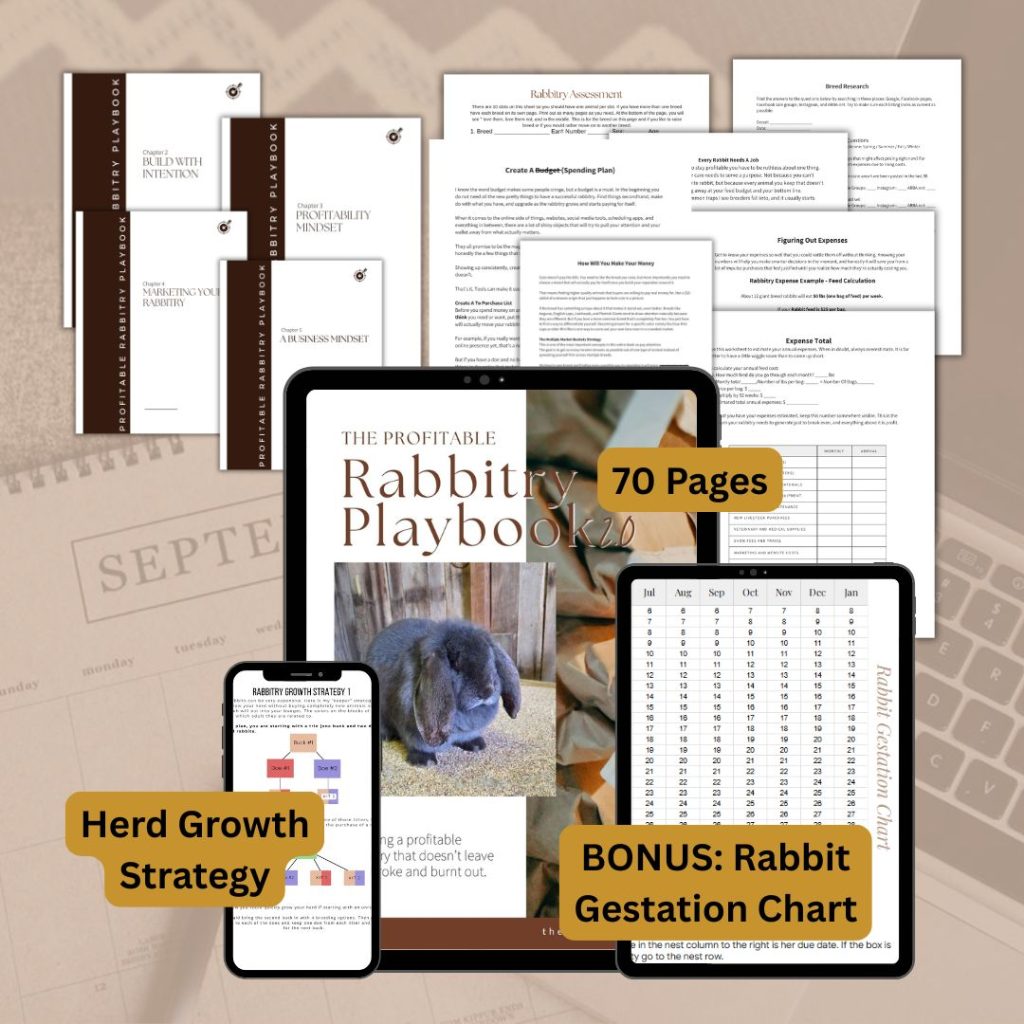
The Profitable Rabbitry Playbook 2.0
The only business book for rabbitry owners of any size to teach you how to turn your money-sucking hobby into a business that pays for itself.
Learn the exact systems that I use to earn multiple four figures a year!
ONLY $37!
To keep going with your rabbitry business education check out this post about the top reasons rabbitries don’t become profitable. – Read this blog

One Comment