One of the most nerve-racking parts of raising your first few rabbit litters is wondering whether the doe is actually feeding her babies.
If you’ve been checking the nest box several times a day and haven’t caught her nursing, you’re not alone.
After raising rabbits for more than 16 years, I have seen maybe 10 times have I actually watched a doe feed her litter.
That surprises a lot of new rabbit breeders.
The good news is you don’t have to see it happen. The babies will tell you whether they’re getting fed.
Once you know what to look for, it becomes much easier to tell the difference between a healthy litter and one that needs a little extra help.
The Fastest Way To Tell If Your Rabbit Is Feeding Her Babies
The quickest way to tell if your doe is feeding her babies is to look at the kit, not the mother.
A well-fed baby rabbit will have:
- A nice round belly
- Smooth supple skin across its back
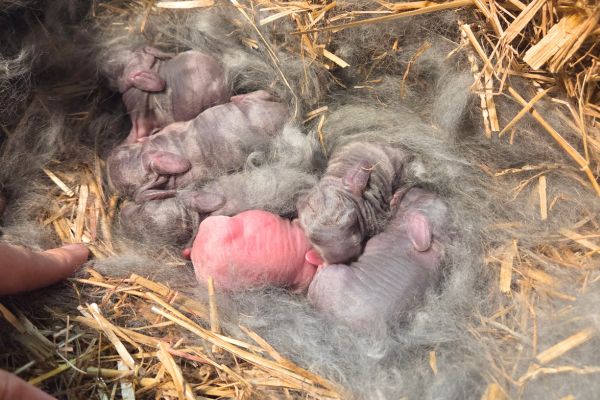
Here are some well-fed newborns that still have some wrinkles but have not filled out the wrinkles yet.
One thing I tell new rabbit breeders is not to overthink it.
When a kit has been eating well, you can usually tell almost immediately because its belly looks full instead of flat.
What Well-Fed Baby Rabbits Look Like
The easiest thing to check is the belly.
After a feeding, baby rabbits have noticeably round stomachs.
The skin across their backs also looks smooth and supple.
Newborn kits naturally have wrinkles because they have loose skin, but after the first day of being born and getting fed their skin should plump out.
I look for what I call dehydration lines. Distinct lines across the back that tell me a baby isn’t staying full. You can see that well below.
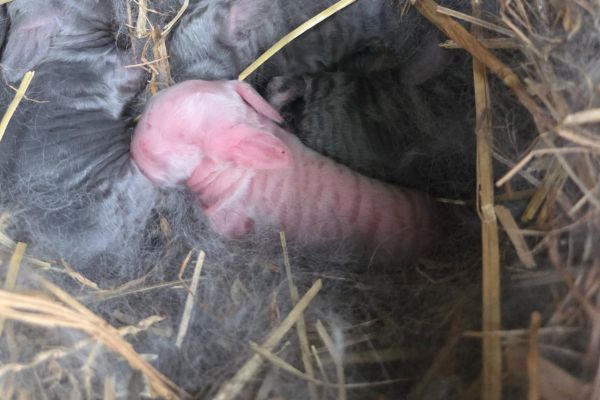
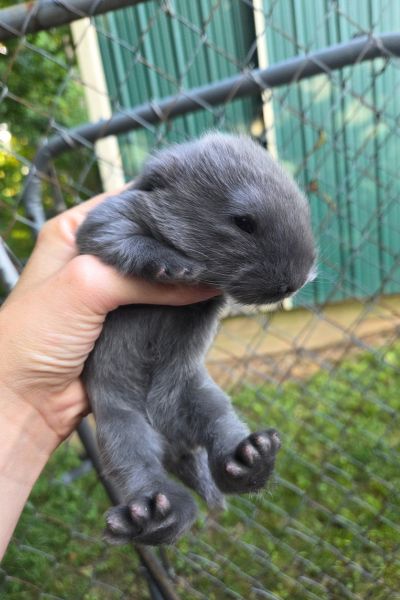
Once you’ve seen healthy kits beside hungry ones, the difference becomes very obvious. While this one has fur and is about 8 days old it has a full belly and has full supple skin.

Don’t Panic If You Never See The Doe Nursing
This is probably the biggest misconception I see. People assume that because they never see the doe with the babies, she isn’t feeding them.
In reality, mother rabbits spend very little time in the nest box. Most nursing sessions last only a few minutes.
Their instinct is actually to stay away from the nest except when it’s time to feed. That helps keep predators away from the babies in the wild.
Even after all these years, I’ve only actually watched a doe nursing a handful of times.
Usually, if I walk into the barn while she’s feeding, she’ll immediately jump out of the nest box before I get close.
Signs A Baby Rabbit Is Not Getting Enough Milk
A hungry kit looks very different from a well-fed one.
Some of the signs I watch for include:
- A flat belly.
- Lines across the back from dehydration.
- Smaller size compared to littermates.
- Weakness or less movement than the others.
If one rabbit consistently looks smaller than the rest of the litter, pay close attention over the next day.
Sometimes the strongest babies simply beat the smaller ones to the milk.
Why Some Kits Don’t Get Enough Milk
Over the years, I’ve noticed several situations that can lead to hungry babies.
First-Time Mothers
First-time does sometimes take a little while to figure things out.
I had one young doe that didn’t seem interested in nursing during her first day. So I helped hand feed the litter until her milk came in.
Within about 24 hours of giving the right supplements, everything changed, and she went on to raise the litter without any further problems.
Not Enough Milk
Occasionally a doe simply doesn’t have enough milk to feed every baby.
This is less common than people think, but it does happen.
One thing that has helped my rabbitry over the past few years has been making sure my does always have plenty of fresh water and adding electrolytes immediately after kindling.
I’ve consistently noticed my does stay more hydrated, have better energy, and produce milk more reliably since making that change.
I also add Black Oil Sunflower Seeds and whole oats to the feed for more fats and energy.
Stronger Kits Take More Than Their Share
This is probably the situation I deal with most often. Sometimes one or two babies are simply stronger than the rest.
They find the doe first, nurse longer, and leave their smaller siblings behind. Like this one below.

I’ve even had one rabbit in a litter grow to nearly twice the size of its littermates because it consistently got to the milk first.
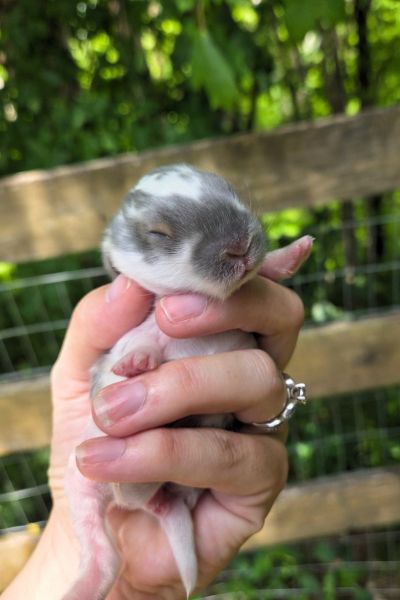
Fortunately, if you catch it early, the smaller kits often bounce back with a little extra help. I thought this Ruby Eye White buck in the picture below was a goner until I hand-fed him for about 24hrs and after that, he could keep up with the rest of them just fine.
When Should You Step In?
I don’t automatically intervene just because one baby is slightly smaller.
Instead, I watch for patterns.
If a kit continues looking hungry, loses condition, or becomes noticeably weaker than the rest of the litter, it’s time to help.
Sometimes that simply means helping the baby nurse.
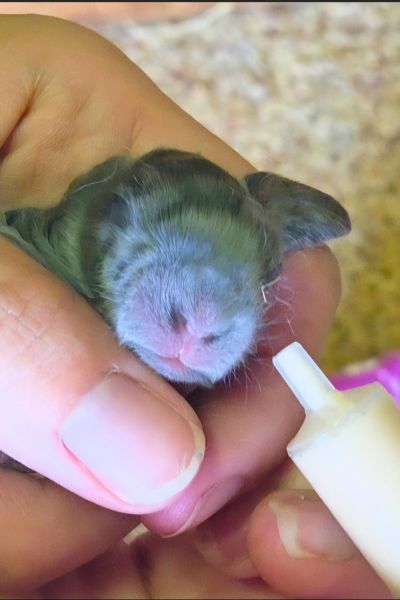
Other times you may need to hand-feed until the kit becomes strong enough to compete with its littermates.
I’ll walk you through that entire process in my guide on How to Hand Feed Baby Rabbits.
Final Thoughts
One of the biggest lessons I’ve learned after raising rabbits for more than 16 years is this:
Do your best with what you know.
Beating yourself up over a litter that didn’t work out doesn’t change the outcome. It only punishes you without helping the rabbits.
New rabbit breeders often spend hours worrying, but worry doesn’t solve the problem.
Instead, focus on what you can actually observe. If their bellies are full, their skin is smooth, and they’re growing steadily, your doe is almost certainly doing exactly what she should.
The more litters you raise, the easier it becomes to recognize the difference between normal development and a litter that truly needs your help.
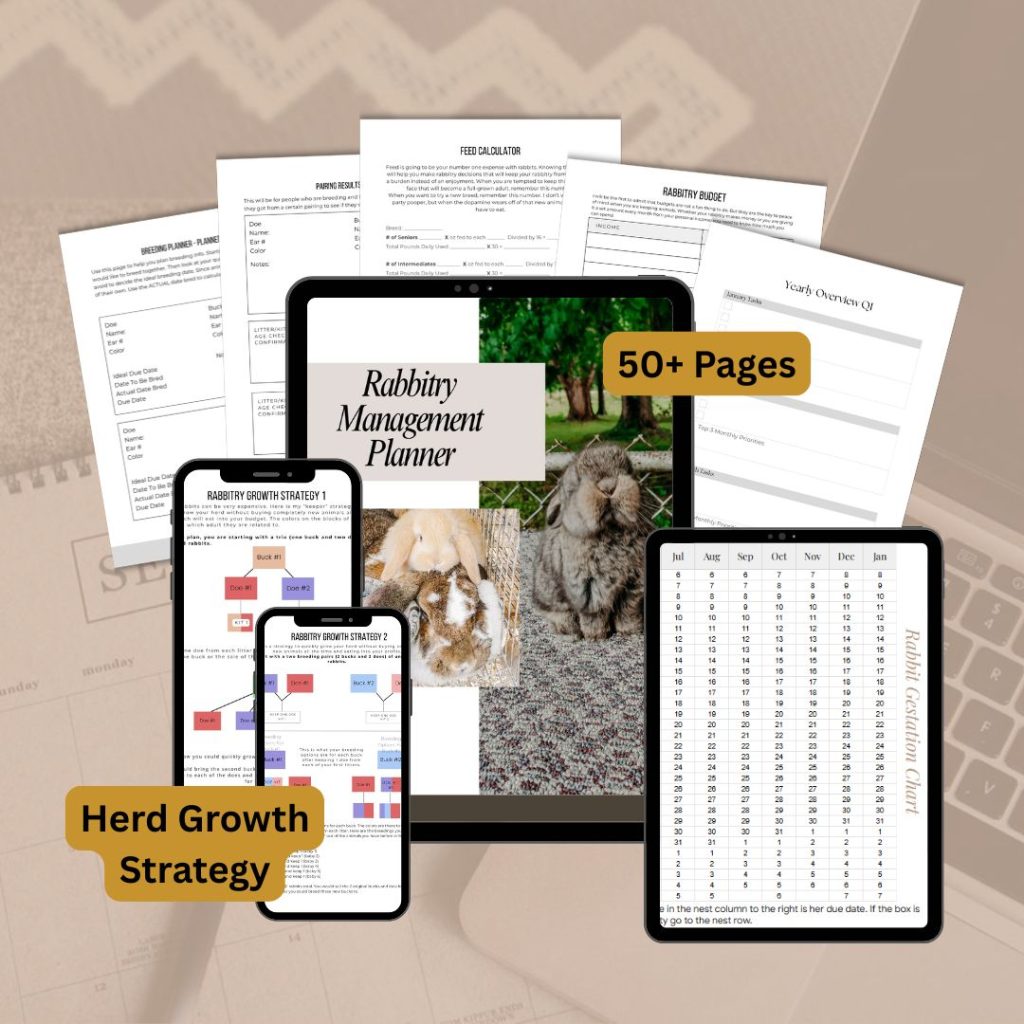
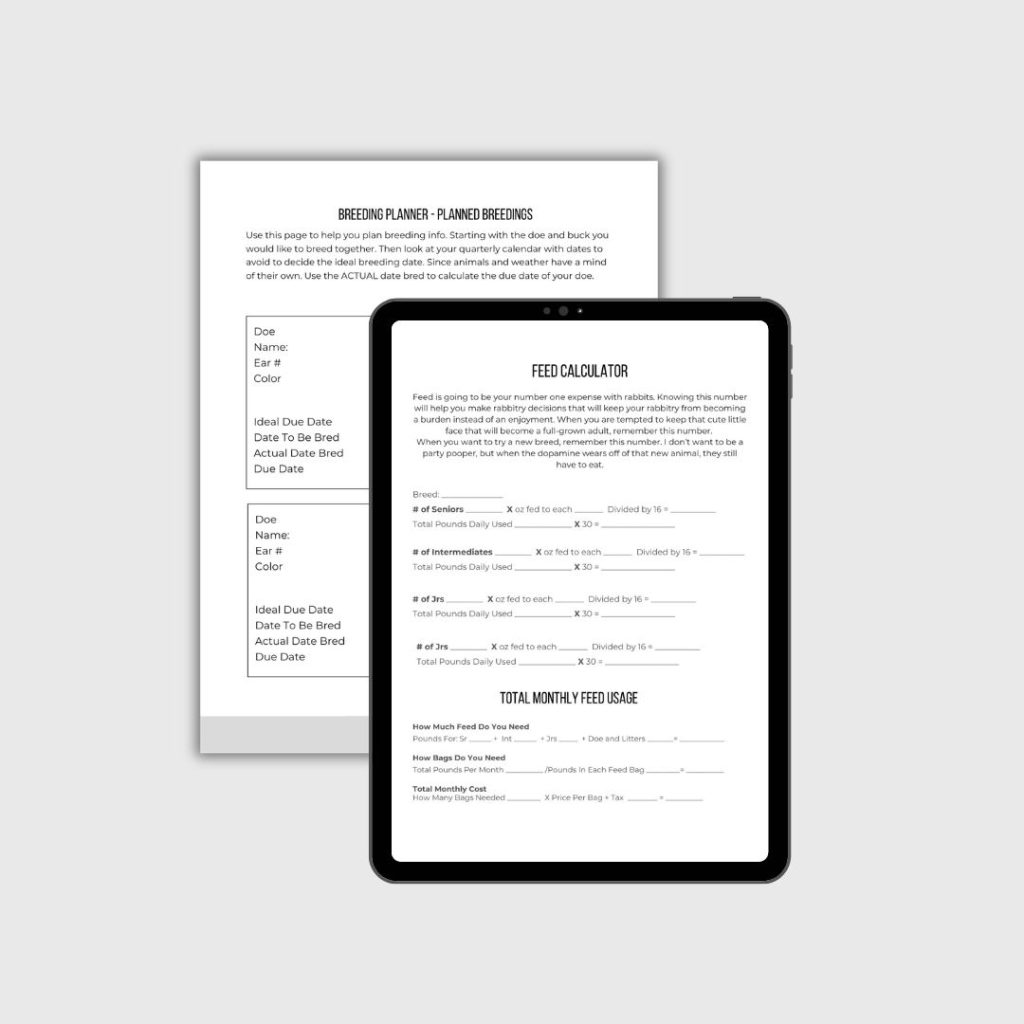
The Printable Planner Built For Rabbit Breeders
Keep your breedings, herd records, feed costs, sales, and daily operations in one printable system designed for practical rabbit raisers.
ONLY $12!